So, you've got an old shed, a dilapidated garage, or maybe even an entire house that needs to come down. Demolition excavation isn't just about knocking things over; it's a whole process, and if you're a homeowner in Moses Lake looking to tackle one of these projects, you'll want to be prepared. I've seen my share of these jobs around here, from old farm buildings out towards Mae Valley to smaller structures right in town, and there's a right way and a wrong way to go about it.
Setting Your Project Timeline: What to Expect
Let's talk timelines first. This isn't a weekend DIY job, even for a small shed. A demolition excavation project has several moving parts, and each one takes time. You're not just looking at the actual demo day; there's planning, permitting, utility disconnections, the actual demolition, debris removal, and then the final grading of the site.
- Initial Consult & Quote (1-2 weeks): First, you'll reach out to a contractor like Moses Lake Excavating. We'll come out, assess the structure, talk about what you want done, and give you an estimate. This isn't just a quick look; we're figuring out access, potential hazards, and what equipment we'll need.
- Permitting (2-6 weeks, or more): This is often the biggest variable. Depending on what you're tearing down, you'll need permits from the City of Moses Lake or Grant County. They'll want to see site plans, asbestos surveys (more on that in a minute), and proof that utilities are disconnected. Don't skip this step; fines are way worse than waiting a few weeks.
- Utility Disconnection (2-4 weeks): Before anyone touches that structure, all utilities – power, gas, water, sewer, communication lines – need to be safely disconnected and capped off by the respective utility companies. This isn't something your contractor does; you initiate these requests, and the utility companies work on their own schedule.
- Asbestos & Hazardous Material Abatement (Variable): If your structure was built before 1980, there's a good chance it contains asbestos. Washington State law requires an asbestos survey before demolition. If asbestos is found, it has to be professionally abated, which adds time and cost. This can be a few days to several weeks, depending on the scope.
- Actual Demolition & Debris Removal (1 day - 2 weeks): Once everything else is clear, the physical work begins. A small shed might be a day's work. A full house demolition, especially with foundation removal, could take a week or two, depending on the size and complexity. We're talking heavy machinery, careful dismantling, and loading out tons of material.
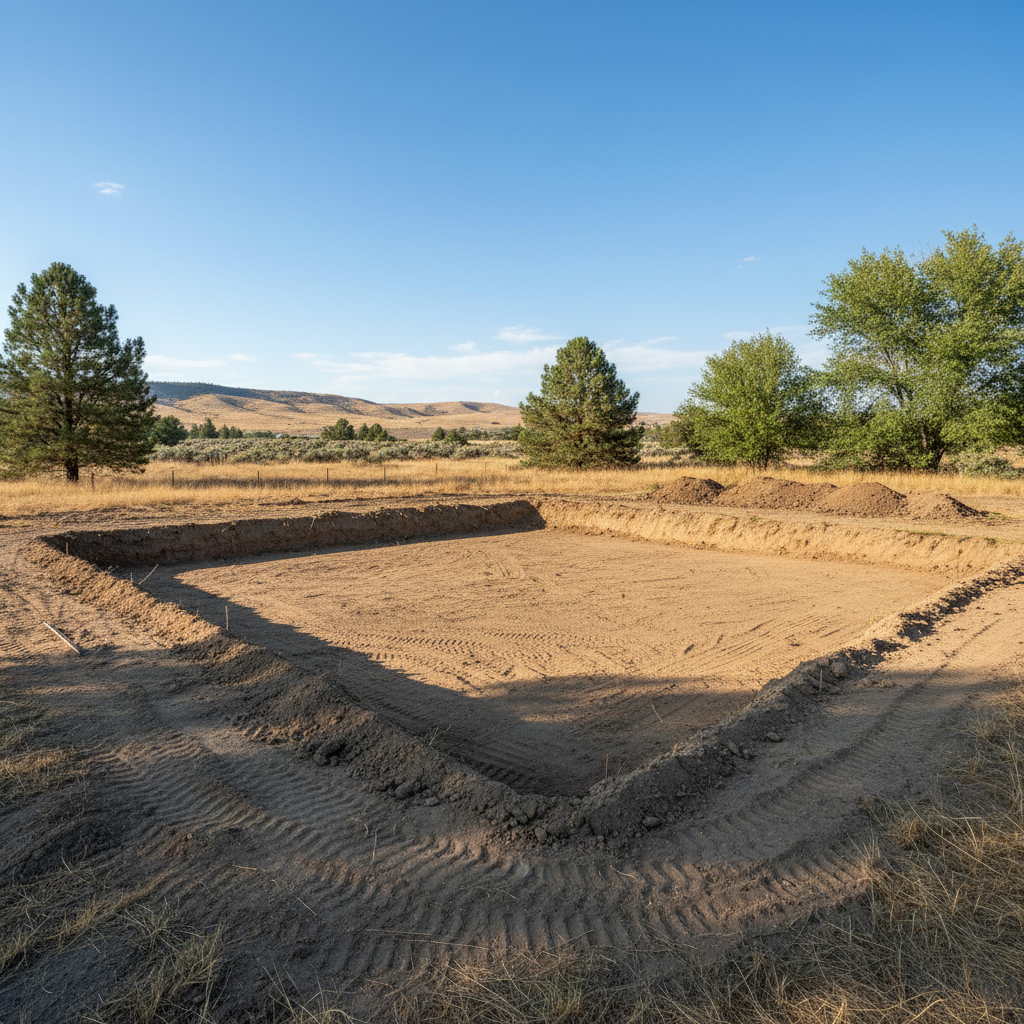
- Site Grading & Restoration (1-3 days): After the debris is gone, we'll grade the site to your specifications, making sure it drains properly and is ready for whatever you plan next, whether that's new construction, landscaping, or just a nice, level yard.
So, from start to finish, you're realistically looking at anywhere from 6 weeks to 3 months for a typical residential demolition project. Plan accordingly.
What to Expect During the Process
When the actual demolition starts, it's going to be noisy and dusty. That's just the nature of the beast. We do our best to control dust with water, but it's not a silent, clean operation. You'll see excavators, skid steers, dump trucks, and maybe even a breaker attachment if we're dealing with concrete foundations. Our crew will be focused on safety, efficiency, and minimizing disruption to your property and neighbors as much as possible.
We'll establish clear safety zones, and it's really important that you and your family (and especially kids or pets) stay well clear of the work area. Heavy equipment has blind spots, and falling debris is no joke.
Debris will be sorted as much as possible for recycling – concrete, metals, wood – to reduce landfill waste. This also helps keep costs down for you, as landfill fees can be substantial.
How to Prepare Your Property
Before the crew shows up, there are a few things you need to do:
- Clear the Area: Remove anything you want to keep from inside or around the structure. Think landscaping, garden ornaments, tools, appliances, personal items. Don't assume we'll know what to save.
- Inform Neighbors: Give your neighbors a heads-up about the project, especially the dates of the loudest work. A little courtesy goes a long way.
- Secure Pets & Kids: Make sure pets are safely indoors or away from the property, and children know to stay far away from the work zone.
- Mark Boundaries: If there are property lines or specific areas you want protected (like a prize-winning rose bush or a septic tank lid), clearly mark them.
- Final Utility Check: Double-check that all utilities are indeed disconnected and capped. We can't start if they're not.
One thing I've seen happen too often around here, especially with older properties in areas like the East Low Canal, is people forgetting about old irrigation lines or septic systems that might be unmarked. If you know about any of these, point them out to us. It saves everyone a headache.
Questions to Ask Before Signing a Contract
You're putting a lot of trust in your contractor, so don't be shy about asking questions. Here are some key ones:
- Are you licensed and insured? This is non-negotiable. Ask for proof of both. Moses Lake Excavating, for example, is fully licensed and insured for your protection.
- What's included in the quote? Does it cover permitting, utility disconnections (your responsibility to arrange, but they should advise), asbestos testing/abatement, debris removal, and final grading? Get a detailed breakdown.
- How do you handle permits? Will they guide you through the process, or do they handle it entirely? Make sure you understand your role.
- What's your plan for dust and noise control? How will they mitigate these impacts on your property and neighbors?
- What's your debris disposal plan? Where will the materials go? Are they recycled?
- What's the estimated timeline, and what factors could cause delays? Get a realistic expectation.
- Do you provide a written contract? Absolutely essential. It should detail the scope of work, costs, payment schedule, and responsibilities.
- Can you provide references? Talk to other homeowners they've worked for.
- How do you handle unforeseen issues? What if they hit an unmarked utility line or discover something unexpected?
Choosing the right contractor makes all the difference. You want someone who knows the local regulations, has the right equipment, and prioritizes safety and clear communication. A demolition excavation project is a big undertaking, but with proper planning and the right team, it can go smoothly and get you ready for whatever's next on your property.