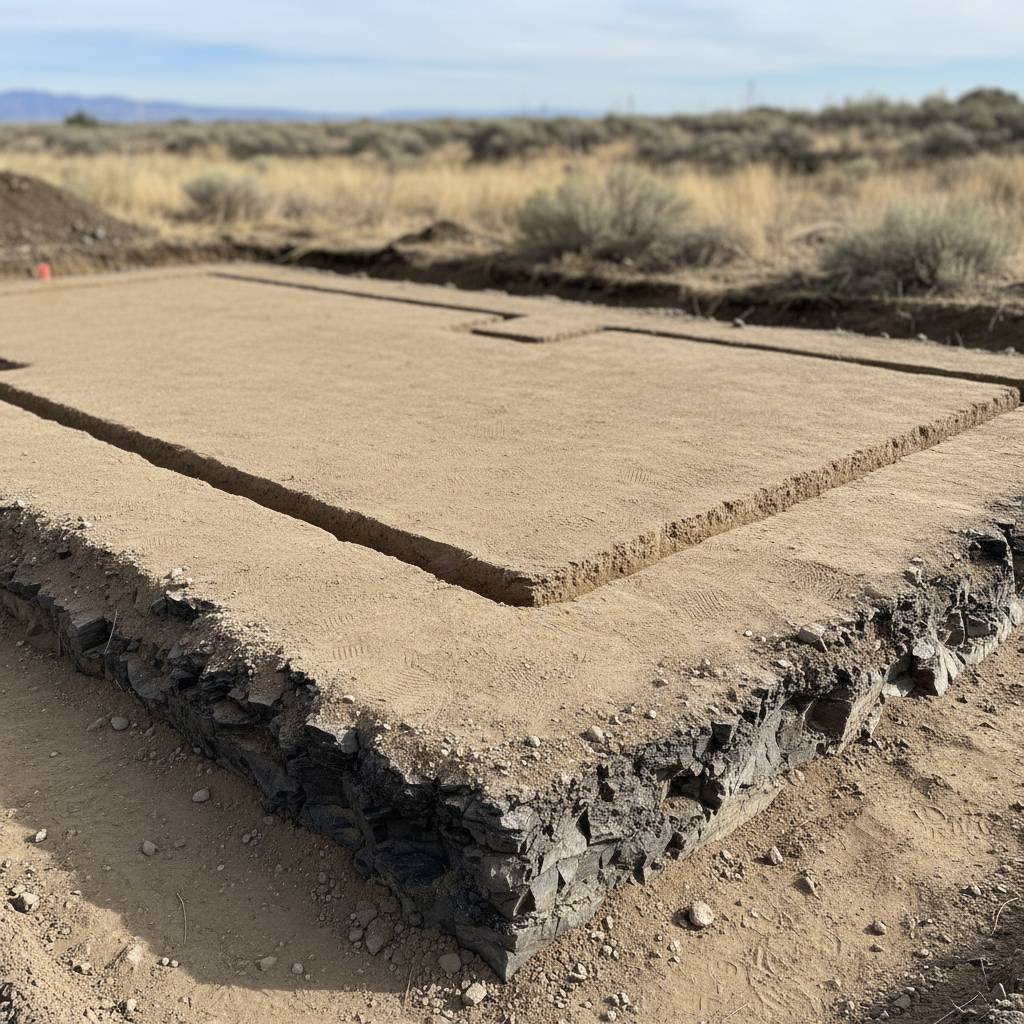
Got a new home build or a big addition planned? You're probably thinking about the foundation, and that means you're thinking about excavation. It's not just digging a hole; there's a lot more to it. Over the years, working with folks all over Moses Lake, from the newer developments out by the lake to the older spots downtown, I've heard the same questions come up again and again. So, let's clear some things up.
What exactly is 'foundation excavation'?
Simply put, it's preparing the ground for your home's foundation. This isn't just digging a big hole. It involves removing topsoil, digging down to stable sub-grade material, shaping the ground to the exact dimensions and depths specified by your building plans, and often, creating trenches for utilities like water, sewer, and electrical conduits that will run under or through the foundation. We're talking about getting the site perfectly level and stable so your concrete foundation can be poured correctly. If this isn't done right, you'll have problems down the road, guaranteed.
How long does foundation excavation usually take?
That's a common one, and the answer, like with most construction, is 'it depends.' For a typical single-family home in Moses Lake, if everything goes smoothly – meaning no unexpected rocks, good weather, and clear plans – we're usually looking at anywhere from 3 to 7 days of actual digging and grading. That includes getting the site prepped, digging the footings and basement (if you have one), and backfilling. Bigger homes, complex designs, or sites with tricky soil conditions can obviously take longer. We always factor in a little buffer because you never know what you'll hit once you break ground.
What kind of equipment do you use for this?
We use a range of heavy machinery, and the specific tools depend on the job's scale and site conditions. For most residential foundation digs, you'll see excavators – those big machines with the long arm and bucket – in various sizes. We also use skid steers for finer grading and moving smaller amounts of material, and sometimes dozers if there's a lot of earth to move or a significant grade change. Dump trucks are always on hand for hauling away excess dirt or bringing in gravel if needed. It's all about having the right tool for the right part of the job to work efficiently and safely.
Do I need to worry about the soil type on my property?
Absolutely, you do. Soil type is a huge factor, especially around here. Moses Lake can have some pretty varied soil conditions – sometimes you hit that hard, compacted caliche layer, other times it's sandier, or you might find areas with more clay. Your structural engineer will do soil tests to determine the bearing capacity and stability. This tells us how deep we need to dig to get to stable ground and what kind of foundation will work best. If the soil isn't stable enough, we might need to over-excavate and bring in engineered fill, which adds time and cost. It's why those initial soil reports are so critical.
What happens if you hit a utility line during excavation?
This is a big concern, and it's why calling 811 (the Dig Alert hotline) is the absolute first step we take before any digging starts. They'll come out and mark all the public utility lines – gas, water, sewer, power, communication. We always double-check those markings and dig carefully around them, often hand-digging when we're close. However, sometimes private lines (like sprinkler systems or buried power to a shed) aren't marked by 811. That's where you, the homeowner, come in. It's super helpful if you can tell us about any private lines you know of. If we do hit something, we stop immediately, assess the damage, and contact the appropriate utility company or a licensed repair professional to get it fixed safely and quickly.
How much does foundation excavation cost?
This is another 'it depends' answer, but I can give you some factors. The cost is influenced by the size and complexity of the foundation (basement vs. crawl space vs. slab), the soil conditions, the amount of dirt that needs to be moved or hauled away, and the accessibility of the site. If we have to blast rock or bring in a lot of engineered fill, that's going to drive up the price. Generally, for a standard residential foundation, you're looking at a few thousand dollars up to tens of thousands for larger, more complex projects. We always provide a detailed quote after reviewing your plans and doing a site visit so you know exactly what to expect from Moses Lake Excavating.
What about drainage around the foundation?
Drainage is critical for your foundation's longevity and preventing water issues in your basement or crawl space. During excavation, we're not just digging a hole; we're also setting up the proper grades for water to flow away from your house. This often involves sloping the ground away from the foundation and installing a perimeter drain (often called a French drain or footing drain) around the outside of the foundation. This drain collects groundwater and directs it away from your home, usually to a sump pump or a daylight drain. Getting this right during the initial excavation prevents a lot of headaches and costly repairs down the line, especially with our winter snowmelt and spring rains.
Getting your foundation excavation done right sets the stage for your entire home. Don't cut corners here. If you've got more questions or you're ready to get a quote, just give us a call.