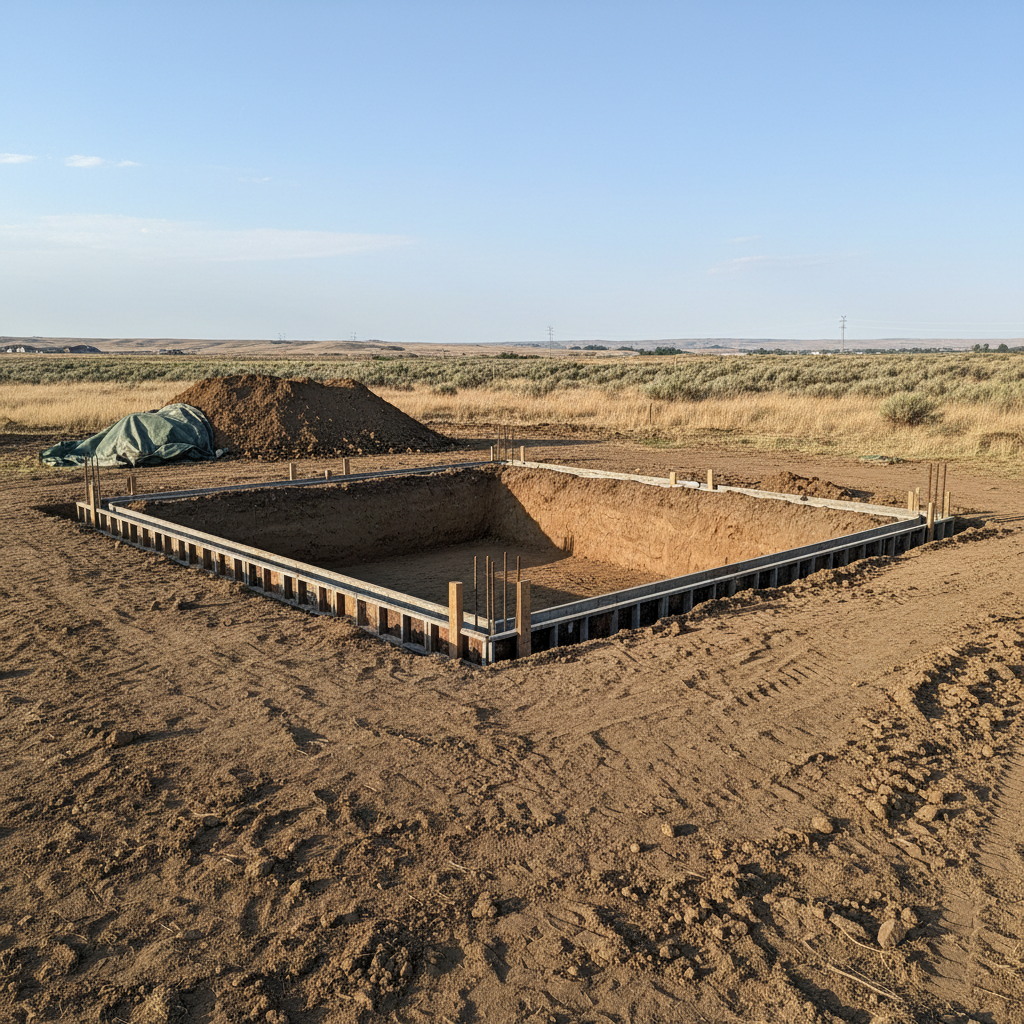
Alright, so you've got a project brewing. Maybe it's a new septic system, clearing land for a shop, or finally getting that drainage sorted out around your house. Whatever it is, you're going to need an excavator. And if you're like most folks, you probably don't hire one every day, so knowing what to look for can be a bit of a mystery.
I've been doing this work in Moses Lake for a long time, and I've seen the good, the bad, and the downright ugly. My goal here is to give you the straight scoop on how to pick a good contractor, avoid the headaches, and make sure your project gets done right the first time.
What to Ask Potential Excavating Contractors
When you call someone up, don't just ask for a price. You need to dig a little deeper (pun intended). Here are the questions I'd ask if I were in your shoes:
Are you licensed and insured? This isn't just a formality; it's critical. If they're not, and something goes wrong, you could be on the hook. Ask for their contractor license number and proof of insurance. A reputable contractor won't hesitate to provide it.
What's your experience with this type of project? If you're building a new foundation, you want someone who's done foundations before, not just grading driveways. Specific experience matters. Ask for examples or even references for similar jobs.
How do you handle unforeseen issues? Let's be real, excavation often uncovers surprises. Buried pipes, rock formations, unexpected soil conditions – it happens. A good contractor will have a plan for communicating these issues and discussing solutions and potential cost impacts *before* they just go ahead and do something that racks up your bill.
What's your timeline? Get a realistic timeframe for when they can start and how long they expect the work to take. Don't just accept a vague answer. Life happens, but a good contractor can give you a pretty solid estimate.
Who will be on site? Will it be the owner, a foreman, or a crew? How will you communicate with them? Knowing who your point person is makes a big difference.
Do you get all necessary permits? Some projects require permits from the city or county. A good contractor knows this and will either handle the permitting process for you or guide you through what you need to do.
Decoding the Quote: What to Look For
You'll probably get a few quotes, and they might look totally different. Don't just pick the cheapest one without understanding what you're paying for. Here's what a good quote should include:
Clear Scope of Work: This is huge. It should detail exactly what work they're going to do. Is it just digging, or does it include hauling away dirt, backfilling, compaction, or final grading? The more specific, the better.
Itemized Costs: A lump sum might seem easy, but it leaves a lot of room for interpretation. Look for a breakdown of costs: equipment rental, labor hours, material costs (like gravel or pipe), disposal fees, etc. This helps you compare apples to apples.
Payment Schedule: How much up front? When are progress payments due? What's the final payment? A fair payment schedule usually involves a small deposit, progress payments tied to milestones, and final payment upon completion and your satisfaction.
Inclusions and Exclusions: What's covered, and what isn't? This is where you find out if they're responsible for restoring your lawn afterward, or if that's on you. No surprises here is the goal.
Contingency Plan for Unforeseen Conditions: A good quote might even mention how they'll handle things like hitting bedrock or unexpected utility lines. It shows they've thought through potential problems.
Warranty/Guarantee: Do they stand behind their work? What happens if something settles improperly or a pipe leaks a few months down the road?
Red Flags to Watch Out For
Just like anywhere, there are some folks you want to steer clear of. Here are my biggest red flags:
No License or Insurance: I already mentioned it, but it's worth repeating. This is non-negotiable.
Cash-Only Deals: While some small jobs might be cash, if they insist on cash for everything and offer a significantly lower price for it, be wary. It often means they're trying to avoid taxes or don't have proper business practices.
High Pressure Sales: If they're pushing you to sign immediately or telling you the price will go up tomorrow, walk away. A reputable contractor gives you time to think and compare.
Vague or Unwritten Quotes: Everything should be in writing. A scribbled note on a napkin isn't a contract.
Asking for a Huge Upfront Payment: A small deposit is normal, but if they want 50% or more before any work starts, that's a big warning sign. They might be using your money to fund another job, or worse, they might disappear.
No References or Portfolio: If they can't show you pictures of past work or connect you with previous clients, that's a problem. Everyone starts somewhere, but even new contractors should be able to demonstrate their capabilities.
Bad Online Reviews (or None at All): In this day and age, most businesses have some sort of online presence. Check Google, Yelp, or even local Facebook groups. While a few bad reviews aren't always a deal-breaker (some people are just impossible to please), a pattern of complaints or a complete lack of any online footprint can be concerning.
How to Verify Legitimacy
So you've got a contractor in mind. How do you make sure they're the real deal?
Check Their License: In Washington State, you can go to the L&I (Labor & Industries) website and search for their contractor license number. This will tell you if they're active, bonded, and insured. It's a quick and easy way to verify a lot of crucial information.
Call Their References: Don't skip this step! Ask the references about their experience, if the project stayed on budget and schedule, and if they'd hire them again.
Look Them Up Online: Search for their business name (like Moses Lake Excavating, for example) and see what comes up. Check for reviews, a website, and any news articles. You can often get a feel for a company's reputation pretty quickly.
Visit a Job Site (if possible and appropriate): If they're working on another project in the area, ask if you can swing by to see their crew in action. You can observe their safety practices, how organized they are, and the quality of their equipment. Just make sure to ask first; don't just show up unannounced.
Trust Your Gut: Seriously. If something feels off, it probably is. You're inviting these people onto your property and investing your hard-earned money. You should feel comfortable and confident in your choice.
Hiring an excavator doesn't have to be a gamble. By asking the right questions, scrutinizing quotes, recognizing red flags, and doing a little homework, you can find a solid contractor who will get your project done right. Good luck with your project!