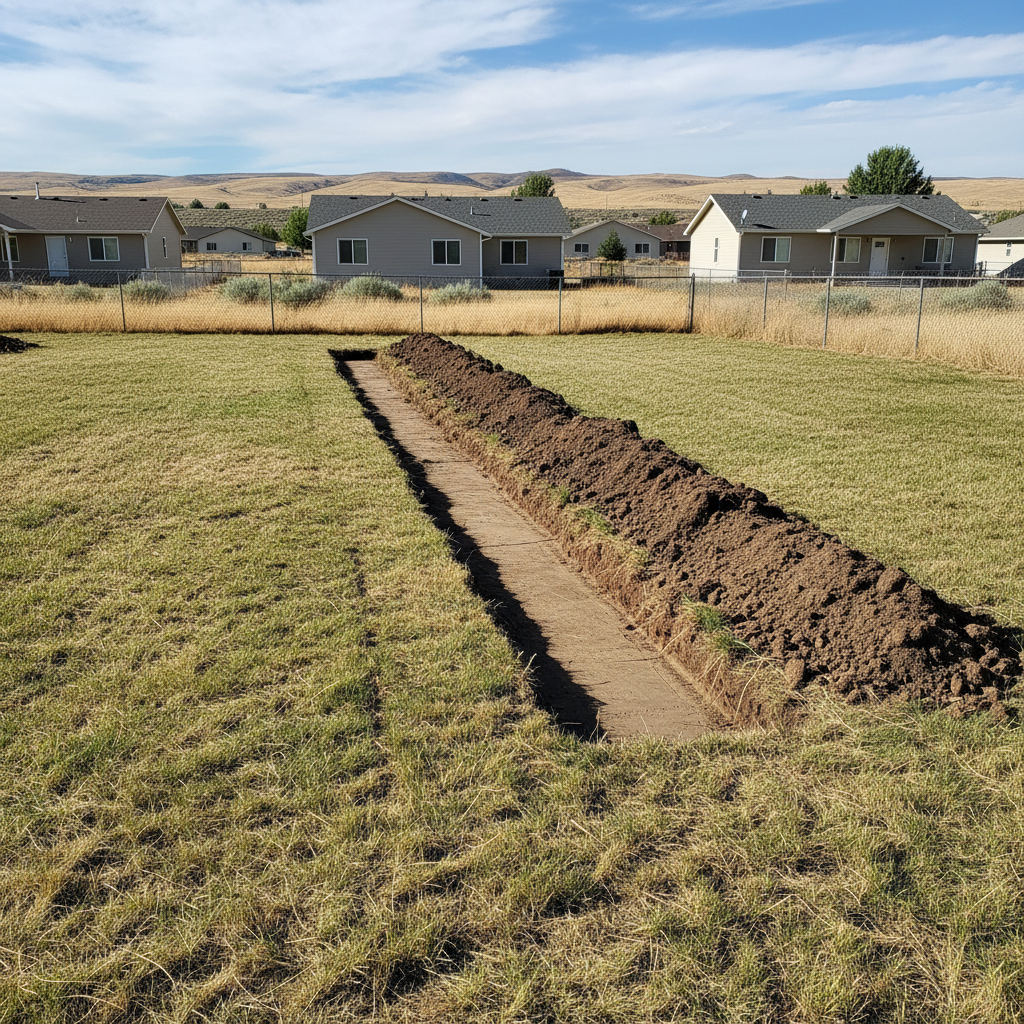
So, you've got utility lines buried, right? Maybe it was for a new septic system, or a water line out to the shop, or even power for that detached garage. You paid good money for that trenching work, and naturally, you want it to last. That's smart thinking. A well-done trench, properly maintained, should honestly give you decades of trouble-free service. But 'set it and forget it' isn't really how things play out, especially not here in Moses Lake.
Making Your Trench Work Last Longer
The biggest thing you can do to extend the life of your trench—and the utilities it protects—is to control the water. We get some pretty wild weather swings around here, don't we? Hot, dry summers that bake the ground hard, then wet, freezing winters. That freeze-thaw cycle is brutal on anything underground. When water sneaks into a trench, freezes, and expands, it can shift pipes, crack conduits, and really mess with the backfill. So, good drainage around the trench? Absolutely critical.
Think about how water moves on your property. Is it pooling right over the trench line? Is it running off a roof and eroding the soil nearby? You want water to shed *away* from the trench. This might mean a little grading work, or sometimes, just keeping an eye on your downspouts. If you've got a trench running through an area that tends to get boggy, you might want to consider adding some surface drainage or even a French drain nearby to divert water. Good compaction when the backfill first went in also plays a huge role here, but once it's all buried, managing surface water is your best bet.
Regular Check-ups: What to Look For
Honestly, keeping a utility trench in good shape isn't rocket science, but it does need a bit of attention. Here's what I usually tell folks:
- Walk the Line: Every spring, after the snow melts, and again in the fall before the ground freezes, take a stroll over where your trenches are. Look for any noticeable dips or raised areas.
- Check for Erosion: See any spots where the soil looks like it's washing away? This happens a lot on slopes or where water tends to run. You might need to add some topsoil and reseed, or maybe even lay down some erosion control matting if it's a persistent problem.
- Monitor Vegetation: Grass is good for holding soil, sure, but you really don't want big shrubs or trees growing directly over or too close to your trench lines. Their roots can be incredibly destructive, always seeking out moisture and eventually crushing or sneaking into pipes. Keep them trimmed back, or consider removing them if they're a threat.
- Keep Records: If you don't already have them, make a simple map of where your utilities are buried. Knowing where to look (or, more importantly, where *not* to dig) is half the battle.
We've seen plenty of issues pop up in places like the Cascade Valley neighborhood, where the soil can be a bit sandier. That makes it more prone to erosion if nobody's managing it right. A little proactive work really goes a long way.
Warning Signs of Trouble
Your utilities will usually give you some hints before a full-blown catastrophe. Don't ignore these:
- Sudden Wet Spots: If you see an area over your trench that's constantly wet, even when everything else is dry, that's a huge red flag. Could be a leaking water line or a compromised septic pipe.
- Unexplained Power Outages or Flickering: If it's isolated to one part of your property and tied to an underground electrical line, that might mean a damaged conduit or cable.
- Reduced Water Pressure: This can signal a leak in your main water line.
- Sewage Odors: If you smell sewage near a septic trench, well, you've definitely got a problem.
- Sinkholes or Depressions: Any significant settling or a new hole appearing over a trench means the backfill has failed, and the pipe underneath is likely compromised or broken.
- Difficulty with Septic Drainage: If your septic system starts backing up or drains slowly, and the problem isn't in the tank itself, it could be an issue with the drain field lines in the trench.
When to Call a Professional
Look, some things you can handle yourself, like adding a bit of topsoil or trimming a bush. But when you see those warning signs, or if you're dealing with anything beyond surface-level fixes, it's time to call in the pros. Seriously, don't try to dig up a suspected utility leak yourself without knowing exactly what you're doing and where everything is. You could hit another line, cause more damage, or even injure yourself.
If you're seeing persistent erosion, significant settling, or any of those utility-specific warning signs, give us a call at Moses Lake Excavating. We've got the equipment and the experience to diagnose the problem safely and get it fixed right. We can locate lines, assess trench integrity, and perform repairs without turning your yard into a bigger mess than it needs to be. It’s always better to address these issues early, before they become much more expensive and disruptive emergencies, wouldn't you agree?