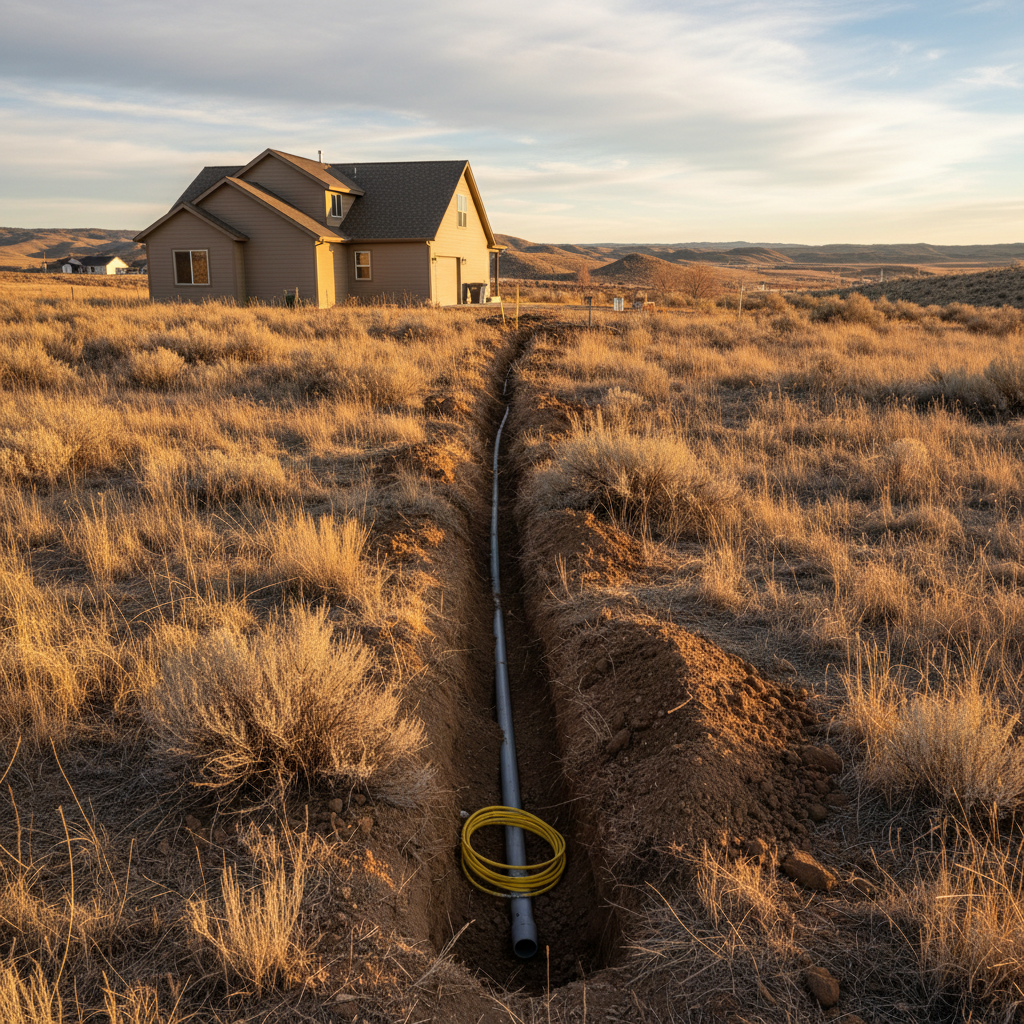
When's the best time to dig a trench for new utility lines around your Moses Lake home? It's not just about when you're ready; it's about when Mother Nature's ready too. Here in Central Washington, our weather swings can really impact excavation work, and knowing what to expect can save you a lot of headaches and money.
When to Schedule Your Trenching Project
Honestly, the sweet spot for trenching around here is usually late spring through early fall. Think May through October. Why then? The ground's generally thawed out, it's not too wet, and we're usually past the worst of the spring rains. That means easier digging, less mud to deal with, and better conditions for laying pipes or conduits.
If you're looking at a big project, getting it done before the really hot summer months hit is smart. Digging in 100-degree heat isn't fun for anyone, and it can also make the ground super dry and hard, which slows things down. Plus, if you're installing anything that needs to be backfilled and settled, having some moderate weather helps it all set up properly.
We've done plenty of winter trenching, especially for emergencies, but it's always tougher. Frozen ground is a beast. It means more time, more wear and tear on equipment, and sometimes extra costs for breaking through that frost layer. So, if you can plan ahead, aim for those milder months.
How Local Weather Conditions Affect the Work
Our Moses Lake climate has a few quirks that really matter for trenching:
- Frozen Ground: This is the big one. Once the ground freezes solid, digging becomes a whole different ballgame. We're talking about needing specialized equipment to break through, and it just takes longer. Plus, backfilling frozen chunks of dirt isn't ideal for long-term stability.
- Heavy Rains: While we don't get as much rain as the west side, when it does come down, it can turn a trench into a muddy mess. That means delays, potential for trench collapse if it's not shored up right, and a much sloppier job overall. Nobody wants a trench full of water before the pipes are even in.
- Summer Heat & Dryness: On the flip side, our long, hot summers can bake the ground hard as a rock. While it's not as bad as frozen ground, it still makes digging tougher and slower than in moist, workable soil. And if you're dealing with any kind of irrigation or water lines, you'll want to get them in before the real heat stresses everything out.
- Wind: Yeah, wind. It might not seem like a big deal, but a strong Moses Lake breeze can kick up a lot of dust, especially in our drier periods. It's not just uncomfortable; it can reduce visibility for the crew and make working around open trenches a bit more hazardous.
Think about the soil around here too. A lot of our area, especially out towards the farms or newer developments, has that sandy, silty loam. It drains well, which is good, but it can also be prone to sloughing if it gets too dry or too wet. Knowing your soil type helps us plan how to dig and shore up your trenches safely.
Protecting Your Investment Year-Round
Once your utility lines are in and the trench is backfilled, you're not entirely done. You've just made a significant investment, and you want it to last. Here's what I recommend:
- Proper Backfill and Compaction: This is crucial. We make sure the trench is backfilled with appropriate material and compacted correctly. This prevents settling over time, which can lead to dips in your yard or even put stress on your new lines. If you see significant settling after a few months, don't ignore it.
- Mark Your Lines: Seriously, know where your utilities are. Get them marked by 811 before any future digging, but also keep a rough sketch or photos for your own records. It's easy to forget exactly where that water line or electrical conduit runs years down the road.
- Watch for Erosion: Especially in the first year after trenching, keep an eye on the area. Heavy rain or even just sprinkler runoff can cause erosion, exposing lines or creating unstable spots. If you notice it, address it quickly with some topsoil and seeding.
- Avoid Heavy Loads: Try not to drive heavy vehicles or place extremely heavy objects directly over your new utility lines, especially for the first year or so while the ground is still settling.
At Moses Lake Excavating, we've seen it all. Planning your trenching project with our local climate in mind is the smartest way to go. It ensures a smoother job, a safer site, and a utility system that's going to serve you well for years to come. Don't hesitate to give us a call if you've got questions about your next project.