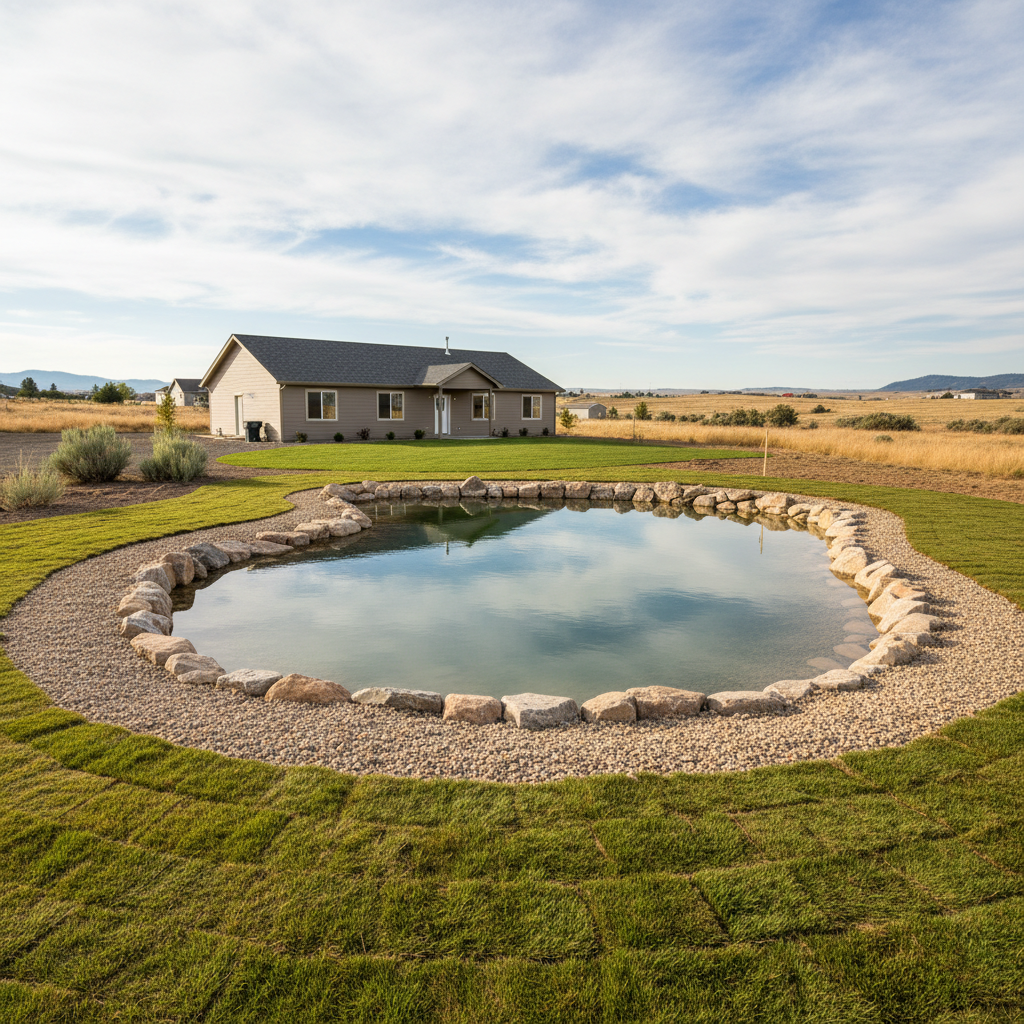
So, you're dreaming of a pond in your backyard. Maybe it's for irrigation, maybe for some fish, or just for the peace and quiet it brings. That's a great idea, and a well-planned pond can really add something special to your property. But let me tell you, I've been doing this a long time around Moses Lake, and I've seen plenty of folks make some pretty common, and often expensive, mistakes when they're planning or hiring for a pond excavation project. Here's what you need to watch out for.
Mistake #1: Not Knowing Your Soil
This is a big one, especially around here. We've got a real mix of soil types in Grant County. You might think it's all just 'dirt,' but it makes a huge difference. Are you sitting on a lot of sand? Is it heavy clay? Or are you going to hit basalt rock a few feet down? I've seen projects where someone thought they could just dig a hole, only to find out their sandy soil wouldn't hold water for anything. They end up needing a liner, which is an extra cost they didn't budget for. Or worse, they hit solid rock and their excavator can't even touch it, grinding the project to a halt and costing a fortune to bring in specialized equipment. Before you even think about hiring someone, get a feel for your soil. Dig a test hole, or better yet, talk to a local pro who knows the ground around Moses Lake. We can usually tell you what you're likely to encounter.
Mistake #2: Skipping the Permits and Regulations
I know, I know, paperwork is a pain. But trust me, ignoring permits is a bigger pain. Depending on the size and location of your pond, you might need permits from the county, the Department of Ecology, or even the Department of Fish and Wildlife if it's connected to a natural waterway. You don't want to get halfway through digging only to have a stop-work order slapped on you. That's a surefire way to add delays and fines to your project. A good contractor, like us at Moses Lake Excavating, will know what permits are typically required and can help guide you through that process. It's not just about digging a hole; it's about doing it legally and safely.
Mistake #3: Underestimating Drainage and Water Source
Where's the water coming from, and where's it going if it overflows? These are critical questions. Some people assume rainwater will be enough, but in our dry Moses Lake summers, you might end up with a mud puddle instead of a pond. Do you have access to irrigation water? A well? And what about drainage? If your pond overflows, where does that water go? You don't want to flood your neighbor's property or create an erosion problem. Proper grading around the pond is essential to direct runoff away from your house and other structures. Think about the high water marks and how you'll manage excess water during a heavy rain or snowmelt.
Mistake #4: Hiring the Cheapest Bid
Look, everyone wants to save a buck. I get it. But when it comes to excavation, the cheapest bid often ends up being the most expensive in the long run. Why? Because a lowball bid usually means corners are being cut. Maybe they're not properly insured, they're using old, unreliable equipment, or they don't have the experience to handle unexpected issues like hitting a utility line or a rock formation. You want a contractor who's got a good reputation, proper licensing and insurance, and a clear understanding of the scope of work. Ask for references, check their past projects, and make sure they're transparent about their process and what's included in their quote. A slightly higher price upfront for a reputable company usually means a smoother project and no nasty surprises down the road.
Mistake #5: Not Planning for Maintenance
A pond isn't just a hole in the ground filled with water; it's an ecosystem. It's going to need maintenance. Are you prepared for potential algae blooms, keeping the banks stable, or dealing with sediment buildup over time? If you're adding fish, you'll need to think about aeration. If it's for irrigation, you'll need to consider how to keep the intake clear. These aren't huge issues, but they are things you need to factor into your long-term plan. Talk to your excavator about how they can help design the pond to minimize future maintenance, like proper slope angles to prevent erosion or areas for future access. Thinking ahead saves you headaches later.
Getting a pond is an exciting project, and it can really enhance your property. Just make sure you do your homework, ask the right questions, and work with experienced professionals. It'll save you a lot of grief and money in the end.