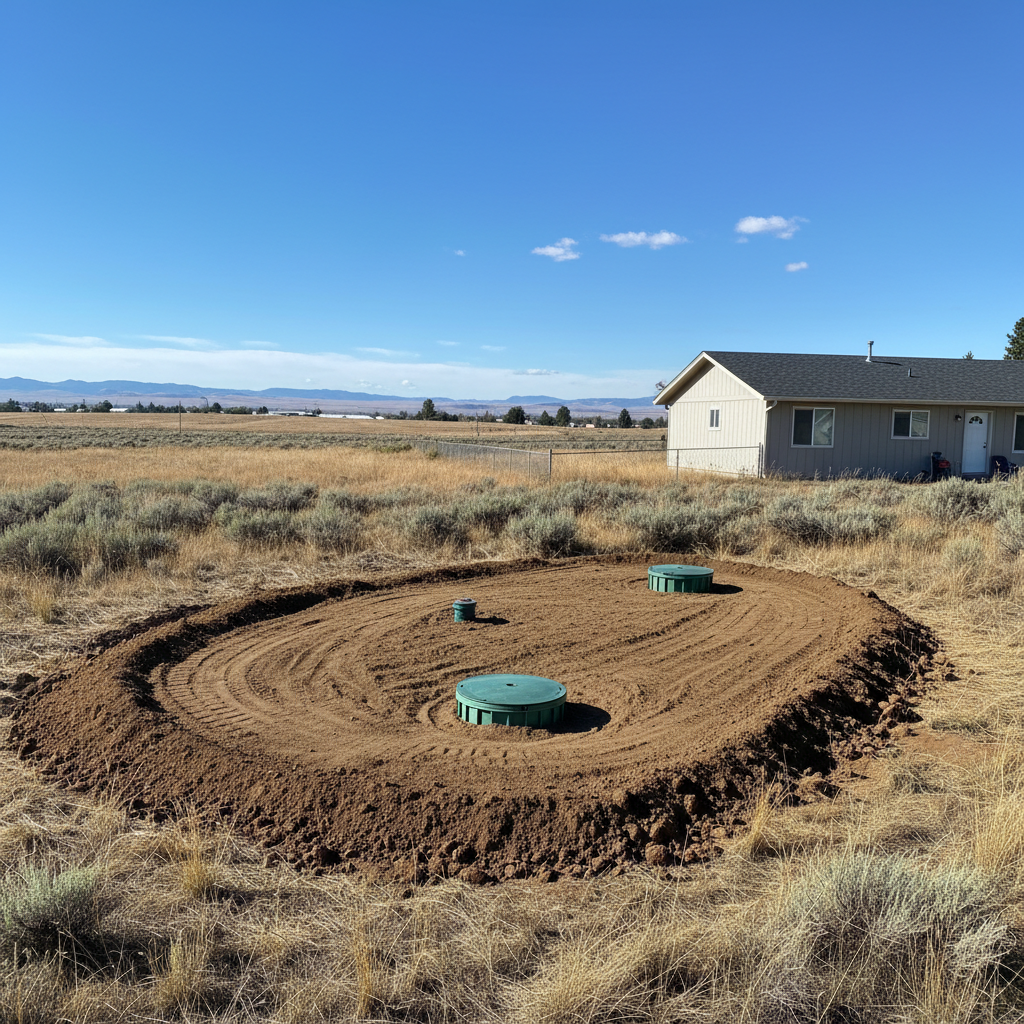
What's the Real Cost of Septic Excavation Here in Moses Lake?
Let's be honest, nobody really *wants* to think about septic systems until they absolutely have to, right? But if you're building a new place, replacing an old, failing system, or just upgrading, you're definitely going to need some excavation work. And, naturally, you're probably wondering what that's going to set you back. I get calls about this all the time, so I figured it was high time I laid it all out, plain and simple.
First off, there's no single, magic number. Anyone who gives you one without knowing anything about your property is probably just blowing smoke. Septic excavation costs can really swing, but I can give you some solid ranges and explain exactly what makes those numbers jump around.
What Makes Septic Excavation Prices Go Up or Down?
A few big things pretty much decide what you'll pay for the excavation part of your septic system installation:
System Type: This is probably the biggest deal. Are we talking about a conventional gravity-fed system, a pressure distribution setup, or something more complex like an ATU (Aerobic Treatment Unit) or a mound system? Conventional systems are usually the cheapest to dig for because, well, they're simpler. Mound systems, for instance, need a lot more specific fill material and really careful grading. That means more machine time and more hauling, which costs more.
Soil Conditions: This is a huge factor, especially around Moses Lake. We've got a real mix here. Some areas, particularly closer to the lake or in older neighborhoods like Cascade Valley, have pretty sandy, easy-to-dig soil. That's fantastic! But then you get into some of the newer developments or agricultural spots, and you might hit some hardpan or even rock. Digging through rock isn't just slow; it often requires specialized equipment like a hydraulic hammer. And that, my friend, adds significant cost. If we run into a lot of rock, it could easily add anywhere from $1,500 to $5,000 or even more to the excavation bill, just for the extra effort and equipment involved.
Site Accessibility: Can we get our excavators and dump trucks in and out easily? If we have to squeeze through tight spaces, climb steep slopes, or clear a bunch of trees, it just takes longer. Sometimes we even need smaller, more nimble (and often slower) machines. A wide-open, flat lot is always going to be cheaper to work on than a heavily treed, sloped property. Makes sense, right?
Depth and Size of the System: Deeper tanks and longer drain fields mean moving more dirt. It's really that simple. The size of your house and the number of bedrooms determine the required tank size and drain field area, which directly impacts how much digging we have to do.
Hauling and Backfill: What do we do with all that dirt once it's out of the ground? If the soil is good, we might be able to use it as backfill. But if it's unsuitable (too much clay, too rocky, or maybe even contaminated), we have to haul it away and bring in approved sand or gravel. Hauling costs for dirt disposal can run anywhere from $200-$500 per truckload, and you might need several. Bringing in good fill dirt or sand can cost similar amounts per load.
Typical Septic Excavation Cost Ranges in Moses Lake
Okay, let's get down to some actual numbers. Just remember, these are only for the excavation and earthmoving part of the job, not the tank, pipes, design, or permitting.
Basic Conventional System (Excavation Only): For a straightforward, gravity-fed system on an easy-to-dig lot, you're probably looking at anywhere from $3,000 to $7,000 for the excavation work. This covers digging the tank hole, the trenches for the drain field, and basic grading.
Pressure Distribution System (Excavation Only): These are a bit more involved, often needing more precise grading and sometimes a pump vault. Expect $6,000 to $12,000 for the excavation.
Mound or ATU System (Excavation Only): These are the most complex and, frankly, the most expensive to excavate. They involve significant earthmoving, specific soil amendments, and often a lot of imported fill. You could be looking at $10,000 to $25,000+ just for the excavation, depending heavily on the site and the specific design.
Remember, these are rough estimates for my part of the job. The total cost of a septic system, including design, permits, materials (like the tank, pipes, pump), and the actual installation of those components, will be significantly higher.
What Should a Good Quote Include?
When you get a quote from Moses Lake Excavating, or any other reputable company, make sure it's super clear about what's covered. A good excavation quote for a septic system should typically include:
Site Preparation: Clearing minor brush, marking utility lines.
Excavation: Digging for the septic tank, distribution box, and drain field trenches to the specified depths and dimensions.
Rough Grading: Shaping the area for proper drainage and system function.
Backfilling: Using suitable excavated material or imported fill to cover the system components.
Hauling: Disposal of excess unsuitable soil (if specified).
Equipment & Labor: All machine time and operator wages.
What it usually doesn't include (and you'll need separate quotes for these, or they'll be part of the overall septic installer's bid):
Septic system design and engineering fees.
Permit fees from Grant County Health District.
The cost of the septic tank, drain field materials (pipe, gravel, chambers), pumps, or control panels.
Installation of the tank, pipes, and other components (though some excavators are also licensed septic installers and can do it all).
Major tree removal or stump grinding.
Final landscaping or seeding.
How to Avoid Overpaying for Septic Excavation
This is where being smart really pays off.
Get a Good Design: Seriously, don't skimp on the septic design. A well-thought-out system from a local engineer who knows our soils and regulations can save you a ton of headaches and money down the line. They'll optimize placement and type for your specific property, which is pretty important.
Shop Around for Quotes (Carefully): Get at least three detailed quotes. But here's the thing: don't just pick the cheapest one. Compare what's actually included. Does one quote assume easy digging while another accounts for potential rock? Ask questions, lots of them.
Understand the Scope: Make sure you and your excavator are on the same page about exactly what needs to be done. A clear plan prevents surprises, which nobody likes.
Ask About Contingencies: What happens if we hit rock? What if the soil isn't what we thought it would be? A good contractor will discuss these possibilities and how they'd handle them financially *before* starting work.
Check References and Licenses: Make sure your excavator is licensed, bonded, and insured. Ask for references and actually call them. You want someone who knows what they're doing and has a good track record right here in Moses Lake.
Septic excavation is a critical part of a functioning system. You want it done right the first time, no doubt about it. By understanding the factors involved and knowing what to look for in a quote, you can ensure you're getting a fair price and a solid foundation for your new or replacement septic system.