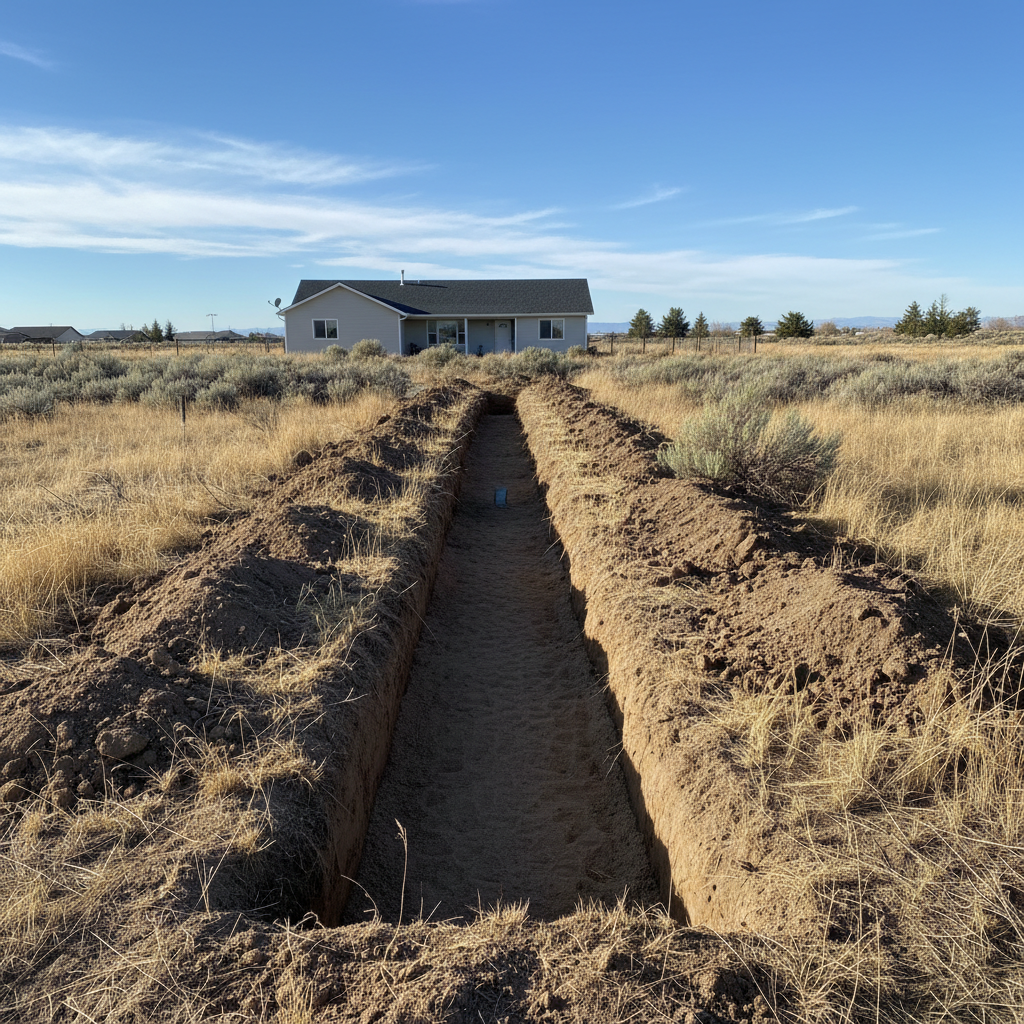
So, you’ve got buried utility lines running across your property. Maybe it’s for your septic system, your irrigation, or even just power to your detached garage. Once that trench is dug, the pipes are laid, and the dirt’s backfilled, it’s easy to forget about it. But trust me, ignoring those trenches is a recipe for trouble here in Moses Lake.
You want to extend the life of that work? It’s not rocket science, but it does take a little attention. The biggest thing is managing water. Our high water table in some areas, especially closer to the lake or in those older neighborhoods with shallow foundations, means water can be a real enemy to buried lines. You need to make sure surface water isn’t pooling directly over the trench line. If it is, that water will eventually find its way down, softening the soil, and potentially shifting your pipes or conduits.
Regular Trench Maintenance: What to Look For
It’s not like you need to go out there with a shovel every week, but a quick visual check a few times a year, especially after heavy rains or our winter thaws, can save you a lot of grief. Here’s what I tell folks:
- Check for Settling: Over time, the soil in a trench will naturally settle. You might see a slight depression or dip along the trench line. This isn't always a problem, but if it's getting deeper or collecting water, you need to address it.
- Look for Erosion: If you’ve got a slope or an area with a lot of runoff, heavy rains can erode the soil right off the top of your trench. This exposes your lines to damage from freezing, vehicles, or even just digging.
- Watch for Vegetation Changes: Sometimes, a utility leak will make the grass or plants directly over the line look greener and lusher than the surrounding area. Or, conversely, if a line is damaged and releasing something harmful, you might see dead spots.
- Keep an Eye on Nearby Structures: If you have a fence post, a small shed, or even a large tree growing near the trench, make sure its roots aren't encroaching or that the structure isn't shifting and putting pressure on the buried lines.
If you see minor settling or erosion, you can often fix it yourself by adding some compacted soil and reseeding. Just make sure you know exactly where your lines are before you start digging around. Call 811, it's free and it's the law.
Warning Signs You've Got a Problem
Sometimes, the signs are a bit more urgent. These are the things that should make you pick up the phone:
- Sudden, Significant Settling: A deep, abrupt sinkhole appearing over a trench is a huge red flag. This could mean a pipe has broken and washed away the surrounding soil.
- Persistent Wet Spots: If you have a spot that’s always damp, muddy, or even has standing water, and it’s not just after a rain, you likely have a leak. This is especially true if it’s over a water or sewer line.
- Unexplained Odors: A persistent sewage smell around a trench is a pretty clear indicator of a sewer line breach. Don’t ignore it.
- Reduced Water Pressure or Flow: If your irrigation system suddenly isn’t getting the pressure it used to, or your well pump is running constantly, a buried water line could be damaged.
- Exposed Lines: If your pipes or conduits are actually visible on the surface, they're vulnerable. You need to get them covered and protected immediately.
Our soil here in Moses Lake can be pretty sandy in some areas, and that means it can wash away easily if there's a leak. In other spots, especially closer to the Columbia, you might hit caliche, which is tough as nails but can also shift and put pressure on pipes if not properly bedded.
When to Call a Professional
Look, I’m all for homeowners doing what they can. But some things are just beyond a DIY fix, or frankly, too risky. If you see any of those serious warning signs I just mentioned, or if you’re unsure about the extent of a problem, that’s when you call in the pros. Trying to dig up a major utility line yourself without knowing what you’re doing can lead to bigger damage, injury, or even hitting other buried lines you didn’t know were there.
At Moses Lake Excavating, we’ve seen it all. From minor irrigation line repairs to major sewer line replacements. We’ve got the equipment to safely locate your lines, diagnose the problem, and make the repair without tearing up your entire yard. Getting it fixed right the first time saves you money and a lot of headaches in the long run. Don't wait until a small issue becomes a full-blown emergency.